
You've Probably Stood on a UNESCO Site and Never Even Known It
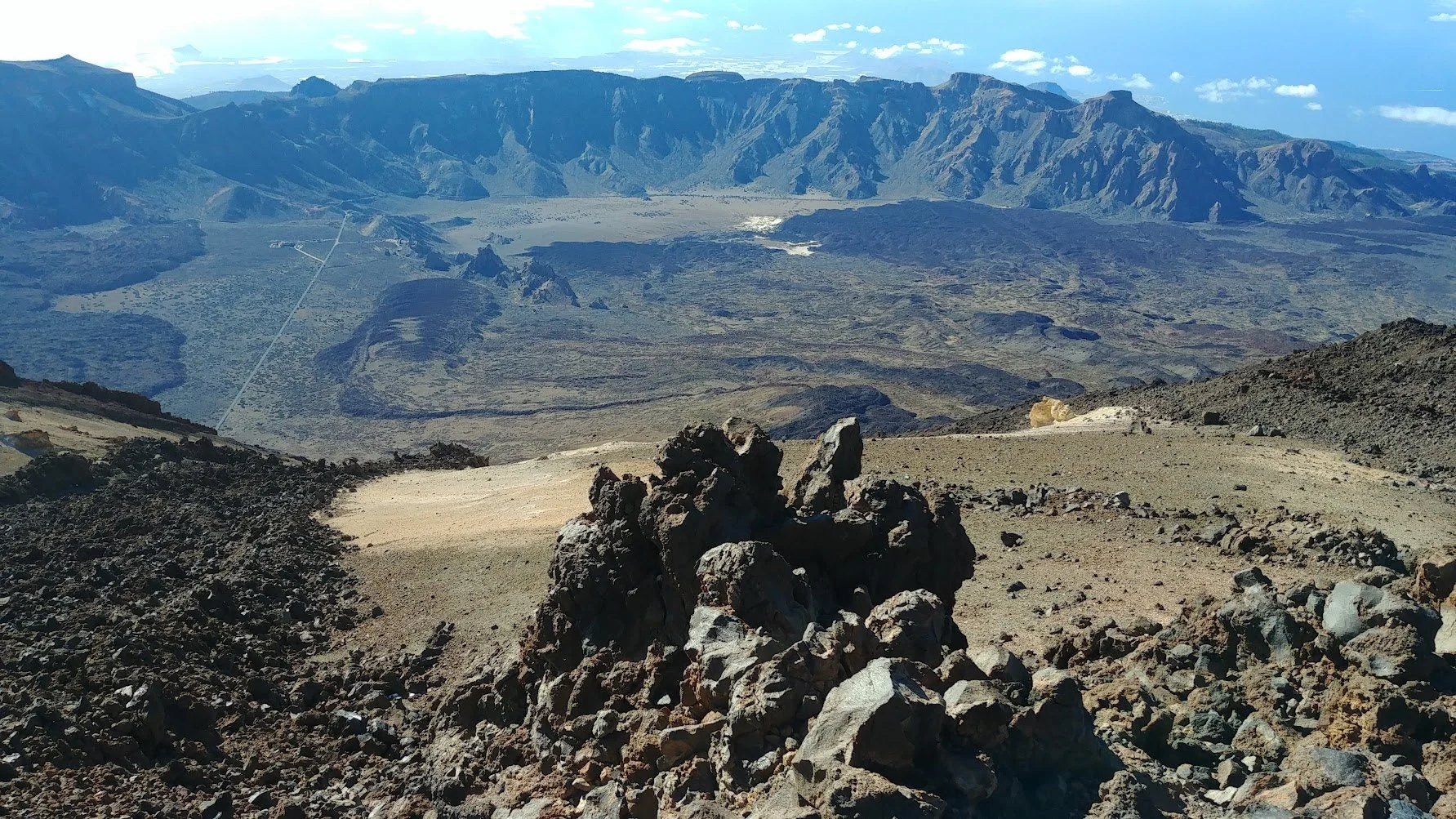
Mount Tiede Tenerife
I didn't know it at the time. I was standing near the summit of Mount Teide on the island of Tenerife, surrounded by volcanic rock and a sea of clouds stretching out in every direction below us, thinking it looked exactly like a scene out of Treasure Island — not sailing on the ocean but sailing through the clouds. It was one of those moments that just takes the words right out of you.
We were on a Mediterranean cruise with our adult kids, sailing out of Barcelona, and Tenerife was one of those stops that genuinely surprised me. We visited Morocco, Madeira, Las Palmas, and a handful of other beautiful places along the way, but Teide stayed with me. Standing up there with my kids, all of us just quietly taking it in — that's the kind of travel memory that doesn't fade.
What I didn't fully realize until later was that I was standing on a UNESCO World Heritage Site. Teide National Park has held that designation since 2007, recognized for its geological significance as one of the world's great volcanic structures and a landscape that genuinely looks like nowhere else on earth.
And that cruise wasn't the only time I'd unknowingly walked through living history that UNESCO deemed worth protecting for generations to come.
On a river cruise through Central Europe I sailed right through the Wachau Valley — vineyard terraces climbing the hillsides, castle ruins above medieval villages, the Danube winding quietly through all of it — UNESCO since 2000. I stepped off the ship in Budapest and walked along the banks of the Danube looking up at Buda Castle — UNESCO since 1987. I wandered through the historic centre of Vienna — also UNESCO. I didn't visit these places because they were designated. I visited them because they were beautiful and worth seeing. The designation just confirmed what standing there already told me.
Closer to home I've walked the trails of Great Smoky Mountains National Park — UNESCO designated and one of the most visited natural spaces in the entire country — and stood in the shadow of the San Antonio Missions in Texas, a UNESCO cultural site that most people drive past without realizing what they're looking at. And if you visited places like these as a child, you probably remember the beauty without fully grasping the weight of what you were standing in. Experiencing them as an adult is genuinely something else entirely.
That's the thing about UNESCO World Heritage Sites — there are over 1,200 of them across 170 countries and the United States alone has 26. Most people have already been to more than they realize. Yellowstone. Yosemite. Independence Hall. They show up in ordinary travel plans all the time because they're simply the places worth going.
But there's another way to experience them — intentionally. Building a trip around a site that genuinely matters to you. The kind of place where you stand there and immediately understand why someone decided it needed to be protected forever. That's a different kind of trip and honestly one of the most meaningful ways to travel I've come across.
If that kind of depth sounds like what your next trip is missing, I'd love to help you find your UNESCO moment.