
Your Passport Isn't Expired… So, You're Good to Travel, Right?
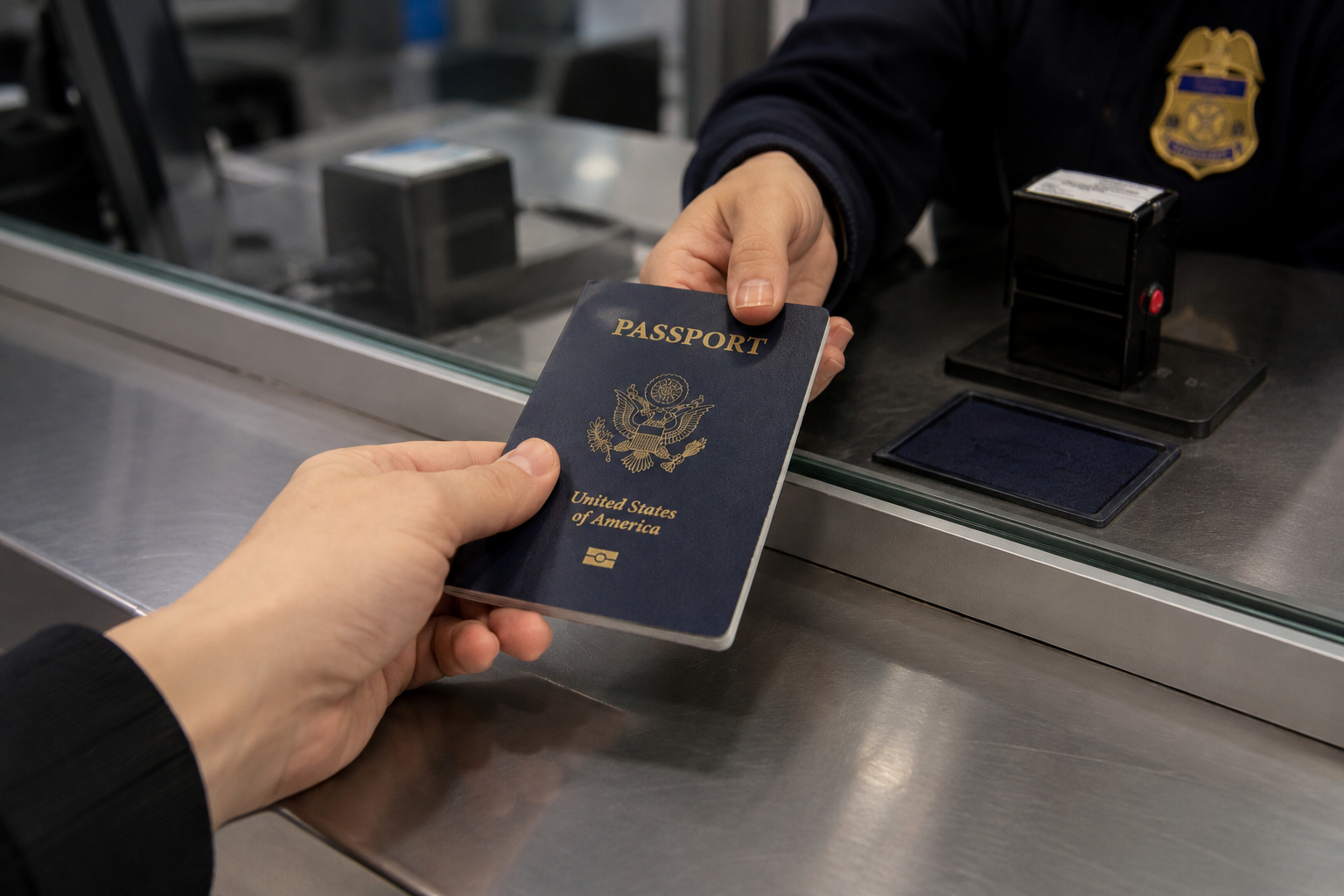
You have a passport. You checked the expiration date and it doesn't expire until after your vacation.
You're good to go, right?
Maybe.
Having an unexpired passport doesn't automatically mean your passport is valid for the trip you're planning, and there are a few passport rules that tend to surprise travelers.
So, let's talk about some of the things worth checking before you're standing at the airport wondering why there's a problem.
First, Who Actually Needs a Passport?
For U.S. citizens traveling internationally by air, including children and infants, you're generally going to need a valid passport book.
Yes, even the baby needs one.
Cruising gets a little more complicated.
Some closed-loop cruises—those beginning and ending at the same U.S. port—allow U.S. citizens to travel with other approved proof of citizenship and identification instead of a passport.
That doesn't necessarily mean I recommend leaving your passport at home.
If something happens during your cruise and you need to fly home from another country, suddenly having a passport book becomes pretty important.
Passport Book or Passport Card? They Aren't the Same Thing
This one causes more confusion than you might think.
A passport book can be used for international travel by air, land and sea.
A passport card is much more limited. U.S. citizens can use it for certain land and sea travel from Canada, Mexico, Bermuda and some Caribbean destinations.
What can't you do with it?
Fly internationally.
A passport card is not a smaller, more convenient substitute for your passport book when you're flying out of the country.
Both are valid for 10 years when issued to adults and five years for children under 16. And both can be used as acceptable identification for domestic air travel, including as an alternative to a REAL ID.
But My Passport Doesn't Expire Until After I Get Home
This may be one of the biggest passport misconceptions.
Different countries have different passport-validity requirements.
Some only require your passport to remain valid during your visit. Others require additional validity beyond your travel dates.
That's where you've probably heard the familiar:
"Make sure your passport is valid for six months after your trip."
Six months is a great rule of thumb, but it isn't one universal rule that every country follows.
Your destination determines what it requires.
And don't forget about the countries you're traveling through. An international itinerary isn't always as simple as checking the requirements for your final destination.
An Unexpired Passport Can Still Be Unusable
This is the one I think surprises people.
Take your passport out and actually look at it—not just the expiration date.
Has it gotten wet?
Does it have water stains or mold?
Is there a significant tear?
Has someone written or made unofficial markings on the information page?
Are any of the visa pages missing or torn?
Those aren't simply cosmetic issues. The U.S. Department of State considers things such as water damage, stains, mold, significant tears, unofficial markings, missing pages and certain other major damage to be passport damage. A damaged passport may need to be replaced before you travel.
Normal wear and tear is different.
A slightly bent passport, pages that have been flipped through many times or a little fraying around the edges generally doesn't make your passport unusable.
Basically, your passport doesn't have to look brand new.
It does need to be intact.
And Yes, Blank Pages Can Matter
Here's another one that's easy to overlook.
You can have years remaining before your passport expires and still need to renew it because you've run out of room.
Some countries require blank visa or stamp pages for entry, and the U.S. Department of State warns that requirements can range from two to four blank pages depending on the destination. Some airlines may also deny boarding when the destination's blank-page requirement isn't met.
And no, you can't have extra pages added to your existing passport anymore.
If you need more pages, you need to renew the passport. Frequent international travelers can request a larger passport book when applying.
Kids Have Their Own Passport Rules
That passport you got for your child when they were little?
Check the date.
Passports issued to children under 16 are only valid for five years, compared with the 10-year validity adults are accustomed to.
They also aren't renewed the same way an adult passport can be. Children under 16 must apply in person for a new passport each time, with parental or guardian requirements that go along with the application.
It's one of those little details that's very easy to forget when the rest of the family's passports still have several years remaining.
What If You Reported Your Passport Lost and Then Found It?
Don't throw it back into your suitcase.
Once a passport has been reported lost or stolen, it is invalidated and cannot be used for travel—even if you find it later.
That's another situation where the expiration date printed inside doesn't tell the whole story.
Before You Travel, Actually Check Your Passport
Don't just ask:
"Is my passport expired?"
Look at:
When does it expire compared with the requirements of every country on my itinerary?
Is it damaged?
Do I have enough blank pages?
Am I carrying a passport book if I'm flying internationally?
Are my children's passports still valid?
Does my destination require anything else in addition to my passport?
And remember, passport and entry requirements can change. Always check the current requirements for your specific destination before traveling.
Your passport may be a little blue book, but it's a pretty important little blue book.
Give it more than a quick glance at the expiration date before you pack it away and assume you're ready to go.